
Roof Repair or Replacement? How to Decide on a Houston Home
Not every roof problem needs a new roof. Use this decision guide on age, damage, leaks, decking, and insurance to choose between repair and replacement.
Should I repair or replace my roof?
Repair usually makes sense when damage is limited to a small area, the roof is well within its expected life, and the decking is solid. Replacement usually makes more sense when the roof is near the end of its life, damage covers a large share of it, leaks keep returning, or the decking is soft or rotted.
A leak or a few missing shingles does not automatically mean you need a new roof. It also does not mean a patch will hold for another decade. The right answer comes down to a handful of facts about your roof, your home, and your plans.
These are the same 7 factors we go through with homeowners in Pearland and Greater Houston, so you can make the call on facts instead of a sales pitch.
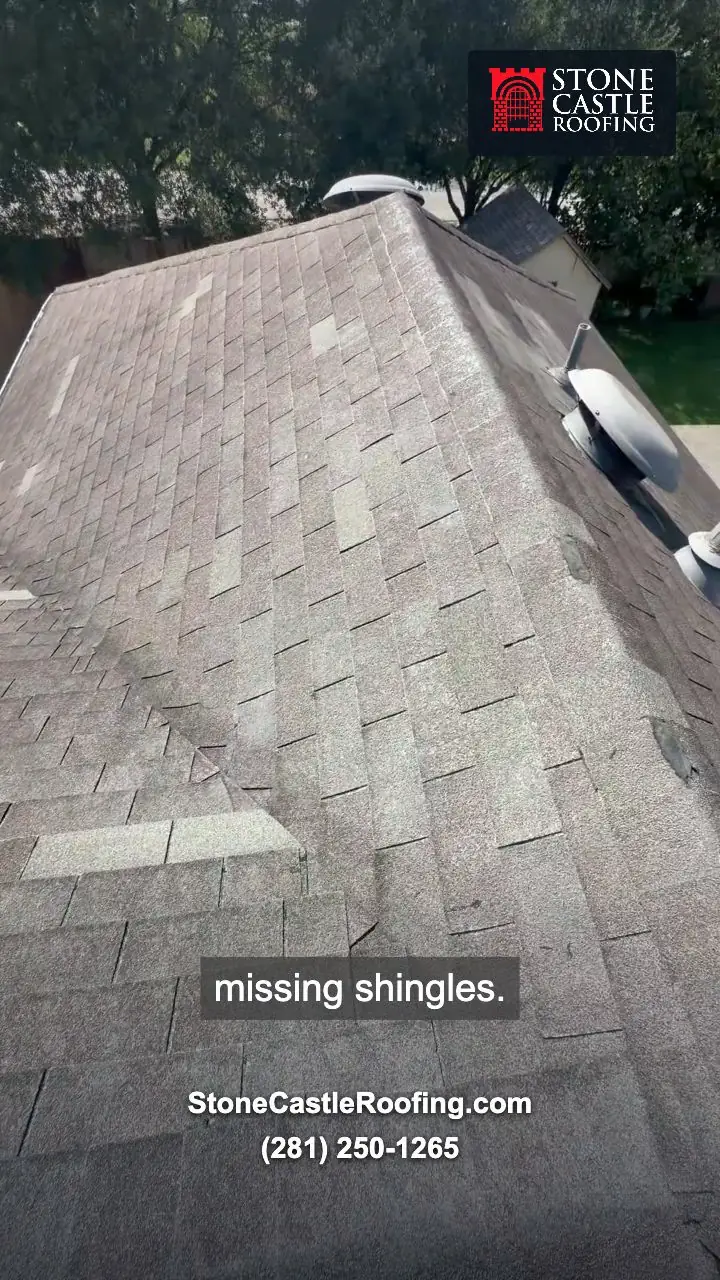
Roof Repair or Replacement? Missing Shingles and Granule Loss
Read the transcript
Do you have a roof where you are constantly seeing shingles fly off and you're constantly getting repaired and you're seeing cracked shingles? If your roof is already at that stage, it's better just to get it replaced. Because you're going to have more shingles flying off, kind of like what you see here. We've already replaced all the shingles that flew off in those areas over there, but they continue to come out. If you look at that right there, there's a lot of granule loss, more missing shingles. All those shingles there in the background were all replaced. Now you see more new cracked shingles over there. So it's better to stop wasting money on getting it repaired and just put a great roof system on there. You can put a regular 30 year, class three or class four. Look right there, there's even rotted wood in that area in front of the pipe jack because water is starting to infiltrate inside.
In this article
The 7 factors that decide repair vs replacement
1. Age of the roof
Start with age. Asphalt shingle roofs in the Houston area typically last about 15 to 30 years. A 6 year old roof with storm damage on one slope is usually a repair candidate. A 20 year old roof with the same damage may not be worth patching. Our guide on how long a roof lasts in Houston breaks down lifespans by material.
2. How much of the roof is damaged
A few missing shingles or one bad flashing detail is a repair. When damage shows up across multiple slopes, or a large share of the roof surface, patching becomes a game of chasing problems. At that point, replacement often costs less over time.
3. Leaks, and whether they keep coming back
One leak from a cracked pipe boot is a simple fix. Leaks in several spots, or the same area leaking after more than one repair, usually point to a bigger issue like worn underlayment or failed flashing throughout.
4. Decking condition
The plywood or OSB under your shingles is the roof's foundation. Soft spots, sagging, or rot found from the attic or underfoot mean water has been getting in for a while. Small areas of bad decking can be replaced during a repair. Widespread damage usually means a full tear off.
5. Multiple layers of shingles
Some older homes have a second layer of shingles installed over the first. That adds weight, traps heat, and hides decking problems. Many building codes limit how many layers are allowed. If you already have 2 layers, a repair is harder to do well, and the next roof will need a full tear off.
6. Your insurance situation
If storm damage is involved, your policy may cover part of a repair or a full replacement depending on the damage, your coverage, and your deductible. Coverage decisions belong to your insurance company, not your roofer. Our post on filing a hail damage roof insurance claim in Texas explains the process.
7. How long you plan to own the home
If you are selling in a year or two, a solid repair may be all you need, though buyers and their inspectors will look closely at an older roof. If you plan to stay 10 years or more, a new roof often makes better financial sense than repeated repairs.
Bonus factor: matching discontinued shingles
Shingle colors and product lines change. On an older roof, an exact match may not exist, and a repair can leave a patch that looks clearly different. Some homeowners accept that. Others, especially before a sale, decide a full replacement is the better look.
Roof repair or replacement: a quick decision table
| Situation | Usually points to repair | Usually points to replacement |
|---|---|---|
| Roof age | Well within typical life | Near or past typical life |
| Extent of damage | Small, isolated area | Widespread, multiple slopes |
| Leaks | One leak with a clear source | Recurring leaks or several leak points |
| Decking | Solid, or a small soft spot | Soft, sagging, or rotted in many areas |
| Layers | 1 layer | 2 or more layers |
| Insurance | Damage below deductible or limited | Covered storm damage across the roof (insurer decides) |
| Ownership plans | Selling soon | Staying 10+ years |
| Shingle match | Matching product available | Discontinued shingle, obvious mismatch |
If most of your answers fall in one column, that is usually the direction to go. A mix of both is where a professional opinion helps most.
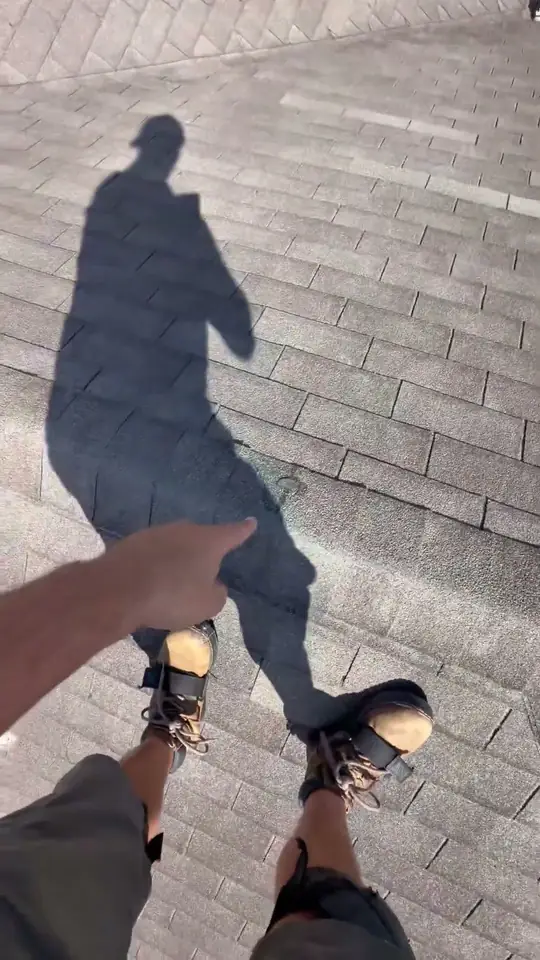
Watch
Our inspector checks a roof that has already been repaired several times and explains when replacement makes more sense.
 Short
Repair Again or Replace? A Real Roof Inspection
What a roof repair involves
A roof repair targets a specific problem. Typical repairs include:
- Replacing missing, cracked, or wind lifted shingles
- Resealing or replacing flashing at chimneys, walls, valleys, and skylights
- Replacing worn pipe boots and roof vents
- Swapping out a small section of damaged decking
- Tightening or replacing fasteners on metal roofs
Most repairs wrap up in a day. The goal is to stop water and buy the roof more useful life. A repair does not make an old roof new.
What a roof replacement involves
A full roof replacement starts with tearing off the existing roof down to the decking. From there, the crew:
- Inspects every sheet of decking and replaces damaged sections
- Installs underlayment, starter strips, drip edge, and new flashing
- Installs the new roofing system to manufacturer specifications
- Updates ventilation so the attic can breathe
- Cleans up and runs a magnet sweep for nails
It is also the time to consider an upgrade, such as Class 4 impact-resistant architectural shingles or a metal roof. If budget is part of the decision, our roof replacement cost page explains what drives price. In the TWIA designated catastrophe area (all of Brazoria and Galveston counties, plus the part of Harris County east of State Highway 146), roof work generally must meet the windstorm building code. We install to that code and coordinate the required inspection when a project needs one.
Why a professional inspection with photos matters
Most homeowners cannot safely see the whole roof, and that is how bad advice slips through. A roofer who says "you need a new roof" without showing you why is asking you to trust them with a large decision.
A good inspection should give you:
- Photos of every problem area, with an explanation of what you are looking at
- An honest read on remaining roof life
- A clear recommendation, repair or replace, and the reasons behind it
- Documentation you can share with your insurance company if storm damage is involved
Before you hire anyone, ask to see the photos, ask what they would do if it were their house, and look at their past work on a page like our projects gallery. If a contractor pushes replacement on a young roof with minor damage, get a second opinion.
3 common situations and how they usually play out
Every roof is different, but these 3 patterns show up over and over in the Houston area.
A younger roof with wind damage on one slope
A spring storm lifts and tears a handful of shingles on a roof that is 7 or 8 years old. The decking is solid and the rest of the roof looks good. This is usually a repair: replace the damaged shingles, reseal the area, and check nearby flashing. If the shingle line is still made, the patch should blend in well.
An older roof with a recurring leak
A roof around 20 years old has leaked near the same chimney twice, even after a repair. Granules are piling up in the gutters and some shingles are curling. Another patch might buy a season, but the roof is near the end of its typical life. Replacement is usually the better use of money here.
Hail across the whole roof
After a hail storm, an inspection finds bruised shingles on every slope. Now insurance enters the picture. If the insurance company approves the claim, the outcome may be a full replacement, but that decision belongs to the insurer, based on your policy and their adjuster's findings.
Talk to a Pearland roofer
Stone Castle Roofing is locally owned, and our team brings 20+ years of combined roofing industry experience to homes in Pearland and across Greater Houston. We will show you photos of what we find and tell you whether a repair will hold or whether you would be putting money into a roof that is done. Schedule a free inspection, contact us, or call (281) 250-1265 to set up a time.
Frequently Asked Questions
Look at the roof's age, how much of it is damaged, whether leaks keep returning, and the condition of the decking. Limited damage on a younger roof usually calls for repair. Widespread damage, recurring leaks, soft decking, or a roof near the end of its typical life usually points to replacement. A photo documented inspection is the most reliable way to decide.
A single repair almost always costs less than a full replacement. Over time, though, repeated repairs on an aging roof can add up and still leave you with an old roof. If the roof is near the end of its life or damage is widespread, replacement often delivers better value. Your roofer should explain the tradeoff using your roof's actual condition.
Sometimes. A section or single slope can be replaced when damage is isolated and the rest of the roof is in good shape. The challenge is matching color and product, especially if the original shingle is discontinued. Partial replacement can also complicate warranties, so ask your roofer how it affects coverage before you decide.
It depends on your policy, the cause and extent of the damage, and your insurance company's decision. Covered storm damage across much of the roof may lead to a replacement payment, while limited damage is often paid as a repair. Your deductible and whether your policy pays actual cash value or replacement cost also affect what you receive.
A quality repair can last for the remaining life of the roof around it, but it cannot make worn shingles younger. On a newer roof, that may mean many years. On an older roof, nearby areas may fail soon after. A new roof restarts the clock, typically 20 to 30 years for architectural shingles in the Houston area.
Related articles
How Long Does a Roof Last in Houston? Lifespans by Material
Typical Houston roof lifespans by material, from 3-tab shingles to standing seam metal, plus what wears roofs out early on the Gulf Coast and how to extend it.
7 min read
Hail Damage Roof Insurance Claim in Texas: A Step by Step Guide
What to do after hail hits your Pearland or Houston home: safety, photos, temporary protection, inspection, policy terms, the adjuster visit, and storm chasers.
8 min read
15 Questions to Ask a Roofer Before Hiring (and What Good Answers Sound Like)
The right questions show you fast whether a roofer is a good fit. Here are 15 to ask before you hire, plus what a solid, honest answer should sound like.
7 min read
About Stone Castle Roofing
Stone Castle Roofing is a locally owned roofing contractor in Pearland, TX, serving homeowners and businesses across Greater Houston. We are a GAF Certified Plus contractor and every project starts with a free roof inspection.